

Keep Your Luxury Villa Cool This Summer With These Handy Tips
By sanjit Posted 22-05-2020 Architecture
As summer settles in, Goa gets hot and sticky. In the pre-monsoon months of April and May especially, the heat and humidity can make even a beautiful villa feel heavy. Villas such as Kasu Zama in Anjuna and Kasu Vana in Assagao are well equipped with air conditioning to handle even the harshest summer, and each has its own microclimate, from open coastal surroundings to leafy forest cover. But if you live in a luxury villa and want to ease the load on your electricity bill by keeping your home naturally cool, here are some helpful tips.
Key Takeaways
●Prevent heat from entering the room by closing curtains, blinds, or shutters on the sun-facing side. Shade your outdoor areas.
●Ventilate rooms in the cool hours of the day, opening windows in the evening and early morning and closing them during the afternoon.
●Set your AC to 24-26 degrees Celsius and use a ceiling fan to allow for a cooler temperature at a lower cost.
●Reduce internal heat sources by cooking at a cooler time of the day or outside when possible. Turn off electrical appliances that you are not using.
●Control humidity as much as possible because the hotter and more humid it is in Goa, the stuffier it feels, and the more likely it is to encourage mould.
●The materials used and the design of your home can make a world of difference, as seen in Kasu Homes’ Villas.
Manage Humidity
As Goa is a coastal state, not only is it hot, but it is also humid, which means that confined rooms are often stifling. Dehumidifiers help: by removing moisture from the air, rooms feel less damp and oppressive and are less likely to foster mould growth in the monsoon. Easy to buy online, they reduce humidity (and emit a little heat), but are best used in conjunction with fans or AC.
Decrease the Amount of Sunlight
Layered or blackout curtains help block out heat, particularly on west- and south-facing windows (which face the sun), and are a quick and effective solution. If you find that heavy curtains are difficult to clean, wooden blinds or bamboo shades give a natural aesthetic while blocking glare, and can be paired with reflective window film for larger glass walls.
Shift Your Cooking Times
It’s best to avoid cooking during the afternoon, when it is hottest. Cooking indoors adds to the temperature of a room, so try cooking outside in a shady part of the garden, at the earliest possible time or, better yet, in the evening. Cooking outdoors is a great excuse to have a summer barbecue pool party!
Cross-Ventilate at the Right Time
Open windows at either end of a room early in the morning and again after sunset, letting the breeze circulate the villa. As the day warms up, close windows again as the Goan heat can be overpowering after midday.
Switch Off and Unplug Appliances You Are Not Using
Electronics that are switched on or in standby emit heat, and the combined effect has a noticeable impact. Switch off unnecessary lights, chargers, TVs, and kitchen appliances, and unplug what you can. Aside from reducing the temperature of rooms, it will be a pleasant surprise to see a lower electricity bill. Switching to LEDs also helps, since they emit far less heat than traditional bulbs.
Use Exhaust Fans
Do you have exhaust fans in your villa? Now is the time to use them: they can help expel hot, humid air during the hottest time of day. Keep bathroom doors open while the fans are running—a simple tip, but a very effective one.
Set Your AC Smartly and Pair It With Ceiling Fans
Air conditioning isn’t the enemy, but bad use of it can wreak havoc. Setting the AC to about 24-26°C is a comfortable and power-saving temperature, and every degree you increase it by saving a noticeable amount of electricity. Pair the AC with a ceiling fan, which creates a cooling effect as it circulates the air, allowing you to set the AC to a higher temperature. Keep doors and windows closed while the AC is on, clean the filters regularly, and have it serviced before summer begins. If you have old AC units, consider replacing them with an inverter model which has a high BEE star rating.
Shade the Outside: Trees, Pergolas and Reflective Surfaces
Keeping the heat away from your villa’s exterior walls and roof is just as important as keeping it out. Plant trees and tall shrubs on the west side of the villa, and add a pergola or seating area shaded by trees or with a shaded roof over terraces. Light-coloured or reflective paint on the walls and roof also helps reduce heat absorption, and potted plants and a pool or water feature near living areas help cool the air through evaporation. Keeping shaded interiors cool is a good way to spend a hot afternoon.
Choose Heat-Smart Design and Materials
If you are building, buying or renovating, design does a large part of the cooling for you. Thick walls, deep overhangs, courtyards and cross-facing openings help to keep heat out and allow breezes to cool the interior. Locally sourced laterite, lime plaster and stone are heat-absorbing and porous, which helps to reduce internal temperatures.
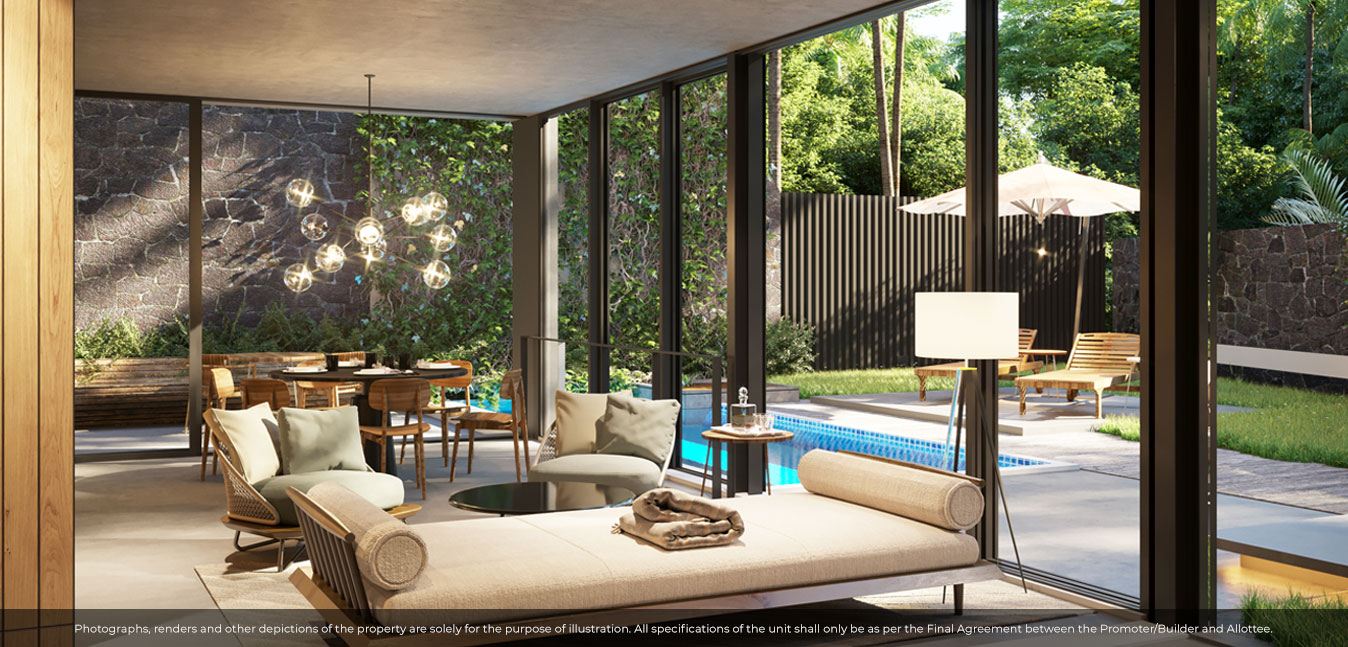
Villas such as Kasu Zama and Kasu Vana by Kasu Homes utilise natural laterite and traditional techniques of Indian architecture, with an emphasis on courtyards and ventilation, to create comfortable homes which remain cool even before the AC is switched on.
We hope these tips help you to bring the temperature of your villa down this summer the natural way. If you have any tips you’d like to share, drop a line in the comments below. We’d love to hear from you.
Frequently Asked Questions
How can I keep my villa cool without AC in Goa?
Block sunlight with blinds or curtains, ventilate in the early morning and evening, use ceiling and exhaust fans, cook outdoors, and use trees and pergolas to shade the outside of the house. Reflective roof paint and breathable materials such as laterite also help.
When should I open and close windows in summer?
Open windows in the cooler early morning and after sunset to let a cross-breeze through. Close windows from late morning through the afternoon, when outside air is hotter than the air inside, and draw curtains on sun-facing sides.
Does a dehumidifier make a room cooler?
No. A dehumidifier removes moisture, not heat, and can add a little warmth. In humid Goa, a dehumidifier still makes a room feel more comfortable and helps prevent mould, so use it in conjunction with fans or AC.
What is the best AC temperature to save electricity?
A setting of 24-26°C is generally considered comfortable and energy efficient. Using a ceiling fan with the AC lets you feel cool at the higher end of that range, and every degree higher reduces power use.
Do curtains and blinds really reduce indoor heat?
Yes. Much of the heat in a home enters through windows as sunlight. Layered or blackout curtains, wooden blinds, or reflective films on sun-facing windows can noticeably lower indoor temperatures and reduce how hard your AC has to work.
This site uses Akismet to reduce spam. Learn how your comment data is processed.