

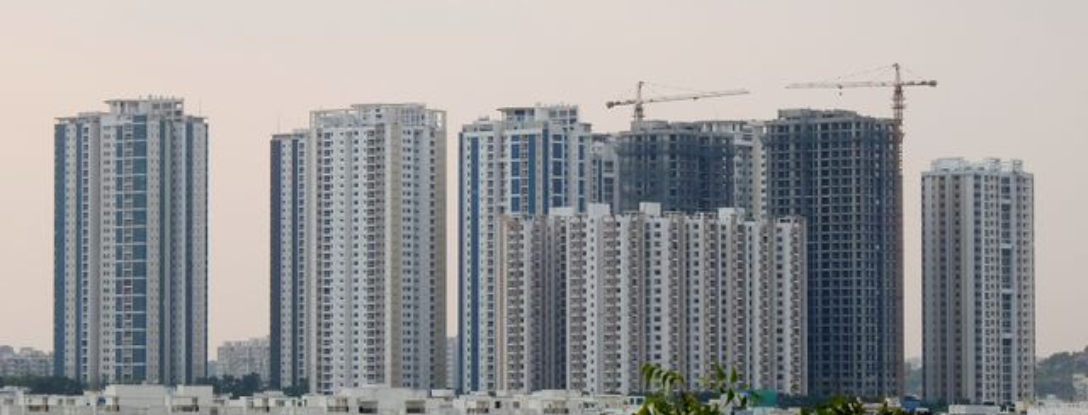
What Is RERA in Real Estate? A Complete Guide for Homebuyers
By sanjit Posted 20-06-2026 Architecture
Purchasing a home is among the biggest life decisions that a person will ever make. However, for many years in India, home buyers had to deal with issues such as lengthy delays in project completion, unclear pricing structures and no means of getting legal recourse. The introduction of RERA (Real Estate Regulation Act) has made these issues less of a concern. Here’s all you need to know prior to making a purchase decision.
Key Takeaways
-
All developers are required to put 70% of the funds that you pay in monthly installments to a separate trust fund/escrow account which will ONLY be used for that project (the funds cannot be diverted to other projects).
-
All builders are required to provide information about their legal possession date when you sign your contract. If they do not meet your legal possession date, they must pay you either a combination of money (compensation) or a full refund with interest (the end of "indefinite delays of possession").
-
Each RERA-registered project has an individual public unique identifier. If the developer has and cannot provide you with that unique public identifier (project reference number), LEAVE. A rera- registered project does not provide any legal form of protection for the funds, no obligation to deliver the property and no legal format for dispute resolution.
-
If a property has any type of structural defect within five years of you obtaining legal possession of the property, the developer is legally required to remedy/repair the defect at NO COST to you. Any property that is registered with RERA is legally accountable after the possession date.
What Is RERA in Real Estate?
RERA is an acronym for Real Estate Regulation & Development Act, 2016. This is a central piece of legislation developed by the Government of India to regulate the real estate sector and provide homebuyers with protection against unethical business practices.
Prior to RERA, builders had very little responsibility; therefore delays were frequent while homebuyers had little leverage. With the establishment of a structured, legally enforceable framework with oversight provided to all aspects of the business for the first time, RERA has improved accountability within the sector.
How It Works
To ensure development projects comply with RERA, both new and existing projects must be registered with the local authorities before a unit may be sold or marketed. Each registered project will be assigned a unique RERA number that can be confirmed by buyers through an online search of the state’s RERA website.
Here is how the process works:
• Project registration: Before launching their projects, developers are required to provide their development plans, development approvals, timelines, and finance-related requirements.
• Account requirement: At least 70% of the funds provided by buyers must be held in a separate escrow account for that specific project.
• Regular updates: Developers are required to comply with RERA regulations and provide quarterly updates to the RERA Portal regarding development progress and project development-related information.
• Dispute Resolution: Disputes will be resolved by RERA directly via its complaint resolution process and within sixty (60) days of receipt of the complaint from the buyer.
Kasu Homes has accumulated more than 25 years of experience in the construction and development industry, and we understand how RERA protects buyers and have structured each of our developments with complete RERA compliance from commencement through completion.
What is a RERA-approved property?
A RERA-approved property is recognized as a property that is registered and given permission to build by the RERA Authority of your state. The developer has submitted all the required documentation (including a land title, layout approval, construction permit, and project completion date) to the RERA authority prior to obtaining their RERA Registration Number.
-
If you purchase a property that has been approved as RERA-compliant by the RERA Authority:
-
The project will have been verified in terms of legal status and compliance.
-
The builder will have contractual obligations to deliver on time to you.
-
Your funds are protected within a regulated escrow account until the developer meets all obligations.
-
You will have access to a formal grievance mechanism if there are issues with the property.
This is the baseline for secure property ownership in India today.
Also Read: Can I Buy Property in Goa? Guide Before Investing Today
How RERA Will Benefit Buyers
RERA fundamentally gives buyers more power; therefore, the following are some of the more practical benefits:
Accountable Delivery: Builders can now be held accountable to a possession date. Failure to deliver on time (due to an unreasonable delay) will result in penalties for the builder (and a full refund plus interest) to the buyer.
Transparent Carpet Area: RERA requires builders to sell property based upon 'carpet area' rather than 'super built-up area'; this will eliminate the cost of property being inflated due to measurement discrepancies.
Liability for Structural Defects: Should a structural defect arise during the five-year period following acceptance of property title by the buyer, the developer must repair the defect at their own expense.
Pursuing Legal Action: A buyer may lodge a complaint with either the RERA or Appellate Tribunal. In addition, complaints are resolved more quickly than would be expected in civil court.
By following RERA rules and regulations, modern developers such as Kasu Homes are able to provide homebuyers', especially first time homebuyers or NRIs interested in purchasing Goa's property, with larger amounts of security and peace of mind.
Also Read: Why Invest in Goa Real Estate — High Returns & Growth
Difference Between RERA and Non-RERA Properties
Before making a purchase decision, it is important to understand the distinction between RERA and non-RERA properties.
There is also significantly greater risk associated with purchasing non-RERA projects, as there is no regulatory oversight of these projects and buyers have limited recourse if their project is delayed, in development, or misrepresented.
To avoid unpleasant surprises after you have made your purchase, qualified developers (such as Kasu Homes, who have many years of experience developing properties in Goa) encourage buyers to always verify that the property is registered with RERA prior to investing in real estate in Goa or any other location.
How Has RERA Impacted Real Estate?
RERA transformed how Indian real estate works from its implementation date:
-
Less delayed finish dates on properties as builders incur penalties for not having a building finished by its date. This gives developers a stronger reason to finish their projects by the dates given.
-
More transparent, as all project data, including approvals and progress are all public; this reduces the likelihood of misrepresenting what the development is.
-
Increase in first-time buyers and NRIs willing to invest in the Indian property market because they are now able to invest in a property that has been legally supported.
-
The number of developers that are credible has decreased due to smaller, underfunded builders going out of business or exiting some of the various markets within India, opening up space for compliant, credible developers.
The Goa real estate market has seen significant growth in demand from both national and international buyers and second homeowners. While the introduction of RERA has now created a more regulated and disciplined sector, it has evolved. Companies such as Kasu Homes are committed to being open/ transparent about their business practices, building with a focus on high quality and creating long-term value for all purchasers. Some of the most desirable locations to live in are Anjuna, Assagao, Moira, and Reis Magos.
Things to Check Before Buying a RERA-Registered Property
1. Verify the real estate registration number (RERA) on the state's real estate registration website to ensure it corresponds to your project's developer.
2. Research if the project is currently approved, if there are certificates of approval, and when completion will be completed.
3. Review escrow compliance by asking developers how funds will be spent and what sort of escrow accounts they will use.
4. Review the sale agreement. Check, at a minimum, to see that the agreement contains a defined carpet area, a possession date, and what penalties the developer will incur if the developer misses their deadlines.
5. Confirming ownership of the property, including an unencumbered and good title, is a requirement for all lenders.
6. Prior to signing, verify the developer's prior project performance (on-time delivery, quality of work, and legal past).
With great care and ease, Kasu Homes is here to walk you through this entire verification process (title verification, approval, documentation, and legal compliance) so that you can confidently take your next step toward finding your dream home.
Also Read: What No One Tells You About Buying a Home in Goa
Common Myths About RERA
"RERA protects only those who purchase a property before it has been built."
Not true. RERA covers all ongoing and newly started projects over a specified size limit and for any completed project where a complaint has been lodged within the defined liability period.
"Once a project is registered with RERA, there are zero risks associated with it."
RERA registration means that the project is complying with minimum legal and documentation requirements; you will still need to independently verify that the title, approval, and developer credentials are all valid.
“RERA cases take too long to resolve.”
RERA command agencies are required to resolve complaints within 60 days, which is far quicker than the speed of civil litigation.
"All projects are registered with RERA."
They aren't. Some smaller companies may not have registered projects; also older projects may not have been registered. Always request a RERA number prior to engaging with the developer.
Conclusion
RERA is more than just a regulatory requirement; It's the foundation that formulates proper, legal, fair and equitable property transactions within India. Regardless if this is your first time purchasing a home, you are an NRI Investor or you're purchasing your second home, being educated about RERA will protect your funds, investment & deadlines as well as preserve your legal rights.
Kasu Homes has more than 25 years of experience in the real estate development industry that support this philosophy. Every project completed by Kasu Homes, whether it be a gated community in Anjuna or a lifestyle residence in Assagao or Reis Magos, has been developed utilizing the RERA guidelines to ensure quality construction while providing confidence to ALL buyers. The team at Kasu Homes will assist every buyer from their first inquiry through to the title/property transfer process by providing all legal & document support.
Ensure you verify before investing. When you're ready to invest with confidence, research developers that have a proven record of RERA compliance, transparency and overall quality work.
FAQs
What is RERA in real estate, and why is it important?
The Real Estate Regulation and Development Act of 2016 (RERA) was designed to create rules and regulations for developers to follow; require developers to register their projects prior to selling them; safeguard property buyers by requiring all funds from buyers to be placed in an escrow account, define a timeline for delivery of the property, and finally establish a mechanism for buyers to file a complaint or report problems to the State's regulatory authority.
What is RERA and how does it works for homebuyers?
Before RERA came into effect, there were no real legal rights protected by a regulatory authority regarding property buyers; therefore, the RERA will give property buyers many legal rights.
What is a RERA-approved property?
Property approved by Real Estate Regulatory Authority (RERA)" means it has been registered and complies with all documentation, approvals, and disclosures by developers. RERA-registered properties can be confirmed publicly, by using any developer's RERA registration number.
What is the difference between RERA and non-RERA properties?
RERA-approved properties offer buyers: fund security, legal commitments to deliver property as agreed, warranties for structural defects, and formal dispute resolution. Non-RERA-approved properties offer buyers none of these protections, which presents a much greater risk to buyers.
How has RERA impacted real estate and how RERA will benefit buyers?
In addition, RERA has improved the delivery timetable of properties, provided improved transparency in the property market, and increased the buyers' confidence in their purchases throughout India. With regards to buyers' rights, RERA provides buyers with compensation rights for delayed delivery of property under contract, provides buyers with clear information about carpet area of a unit, provides a warranty for structural defects, and provides a faster mechanism for resolving disputes.
This site uses Akismet to reduce spam. Learn how your comment data is processed.